
Pick a language and start learning!






Adverb placement in sentences Grammar Exercises for Armenian Language

Adverb placement in Armenian sentences can significantly alter the meaning and emphasis of a statement, making it a crucial aspect of mastering the language. In Armenian, adverbs are versatile modifiers that can describe how, when, where, and to what extent an action occurs. Unlike in English, where adverb placement is relatively flexible, Armenian follows more specific guidelines depending on the type of adverb and the sentence structure. Understanding these rules not only enhances clarity but also adds precision and nuance to your communication.
In Armenian, adverbs can be placed before or after the verb, at the beginning or end of a sentence, or even between auxiliary verbs and the main verb, depending on what you want to emphasize. For instance, placing an adverb before the verb can highlight the manner or degree of the action, while placing it at the end of the sentence can emphasize the action itself. Additionally, some adverbs must follow certain grammatical conventions, such as always preceding the noun they modify or being placed directly after the verb in compound tenses. By practicing these specific placements through various exercises, you can develop a more natural and fluent command of Armenian.
Exercise 1
<p>1. Նա *դանդաղ* քայլում էր դեպի տուն (adverb for slow).</p>
<p>2. Ես *միշտ* նախաճաշում եմ ժամը ութին (adverb for always).</p>
<p>3. Երեկ մենք *հաճախ* գնացել ենք կինոթատրոն (adverb for often).</p>
<p>4. Երեխաները *շատ* ուրախ էին, երբ տեսան նվերը (adverb for very).</p>
<p>5. Նա *արագ* վազեց դեպի դպրոց (adverb for fast).</p>
<p>6. Մենք *երբեմն* հանդիպում ենք այգում (adverb for sometimes).</p>
<p>7. Նա *լուռ* նստեց և լսեց դասախոսությանը (adverb for quietly).</p>
<p>8. Դու *հիմա* կարող ես սկսել աշխատանքդ (adverb for now).</p>
<p>9. Նրանք *կրկին* փորձեցին, բայց չկարողացան (adverb for again).</p>
<p>10. Ես *կապույտ* մեքենայով գնացի աշխատանքի (adverb for color).
Exercise 2
<p>1. Նա *արագ* վազեց դեպի տուն (adverb for speed).</p>
<p>2. Մեր ընտանիքը *հաճախ* գնում է զբոսանքի (adverb for frequency).</p>
<p>3. Կատուն *հանգիստ* նստեց աթոռին (adverb for manner).</p>
<p>4. Երեխաները *շտապ* պատրաստեցին իրենց դասերը (adverb for urgency).</p>
<p>5. Նա *միշտ* գալիս է մեզ մոտ շաբաթվա վերջում (adverb for routine).</p>
<p>6. Նրանք *դանդաղ* քայլեցին դեպի այգի (adverb for speed).</p>
<p>7. Նա *անհամբերությամբ* սպասում էր իր հերթին (adverb for manner).</p>
<p>8. Մենք *հազվադեպ* ենք գնում թատրոն (adverb for frequency).</p>
<p>9. Նա *լուռ* լսում էր ուսուցչին (adverb for manner).</p>
<p>10. Մենք *հիմա* ենք դիտելու այդ ֆիլմը (adverb for time).</p>
Exercise 3
<p>1. Նա երեկոն *դանդաղ* անցկացնում է (adverb of manner).</p>
<p>2. Մենք միշտ *ժամանակին* գնում ենք դպրոց (adverb of time).</p>
<p>3. Անին *բարձր* խոսեց խմբում (adverb of manner).</p>
<p>4. Նրանք շատ *ուշ* հասան տուն (adverb of time).</p>
<p>5. Ես *լուռ* մտա սենյակ (adverb of manner).</p>
<p>6. Մեծահասակները *հաճախ* զբոսնում են այգում (adverb of frequency).</p>
<p>7. Մենք միշտ *առաջին* գալիս ենք դասարան (adverb of time).</p>
<p>8. Նա *հաճախ* մեզ պատմում է իր արկածների մասին (adverb of frequency).</p>
<p>9. Երեխաները *արագ* վազեցին դեպի բակ (adverb of manner).</p>
<p>10. Նա միշտ *ուշադիր* լսում է դասերը (adverb of manner).</p>
Language Learning Made Fast and Easy with AI
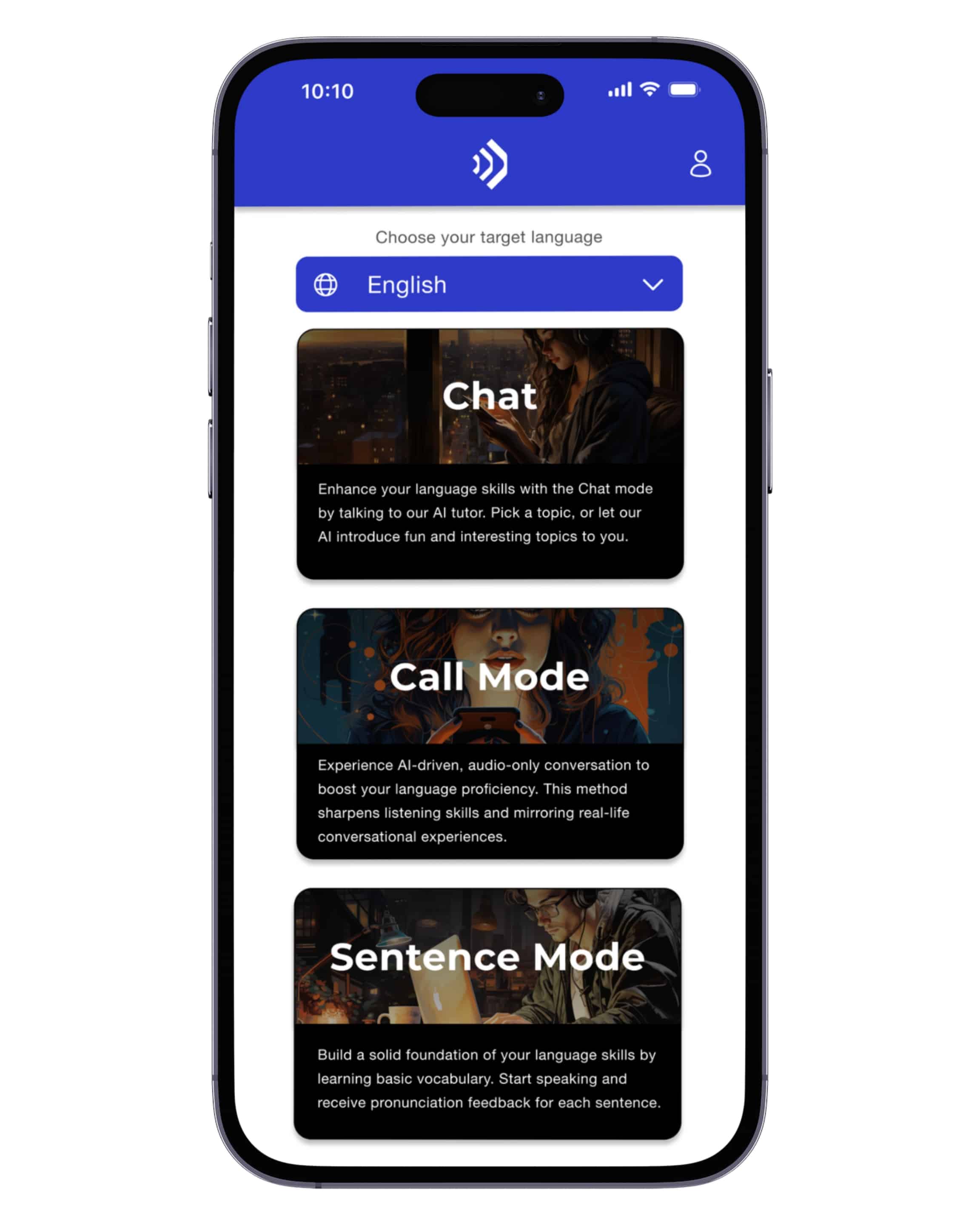
Talkpal is AI-powered language teacher. master 57+ languages efficiently 5x faster with revolutionary technology.
