
Pick a language and start learning!






Past perfect tense construction Grammar Exercises for Lithuanian Language

The past perfect tense in Lithuanian is essential for expressing actions that were completed before another action took place in the past. Understanding this tense allows speakers to construct sentences that clearly delineate the sequence of events, providing a more nuanced and precise narrative. In Lithuanian, the past perfect is formed by using the auxiliary verb "būti" (to be) in its past form, combined with the past participle of the main verb. For example, "aš buvau nuėjęs" translates to "I had gone." Mastery of this tense enhances your ability to describe past events with greater detail and accuracy.
To build proficiency in the past perfect tense, it is important to practice with a variety of exercises that reinforce both the formation and correct usage within different contexts. This page offers a comprehensive set of grammar exercises designed to help learners grasp the intricacies of the past perfect tense in Lithuanian. By engaging with these exercises, you will improve your understanding of how to structure sentences, recognize the appropriate contexts for using the past perfect, and ultimately communicate more effectively in Lithuanian.
Exercise 1
<p>1. Jis *buvo parašęs* laišką, kai atėjo draugas (write).</p>
<p>2. Mes *buvome padarę* namų darbus prieš vakarienę (do homework).</p>
<p>3. Jie *buvo nuvykę* į Vilnių prieš pasirodymą (go to Vilnius).</p>
<p>4. Ji *buvo perskaičiusi* knygą prieš egzaminą (read book).</p>
<p>5. Aš *buvau iškepęs* pyragą prieš atvykstant svečiams (bake cake).</p>
<p>6. Jis *buvo pamiršęs* raktus namuose (forget keys).</p>
<p>7. Mes *buvome aplankę* muziejų prieš pietus (visit museum).</p>
<p>8. Jos *buvo užbaigusios* projektą iki pristatymo (finish project).</p>
<p>9. Tu *buvai nupirkęs* bilietus prieš koncertą (buy tickets).</p>
<p>10. Jie *buvo išmokę* dainą prieš koncertą (learn song).</p>
Exercise 2
<p>1. Ji buvo *parašiusi* laišką prieš išvykdama (veiksmažodis rašyti).</p>
<p>2. Mes buvome *apsilankę* muziejuje prieš prasidedant parodai (veiksmažodis apsilankyti).</p>
<p>3. Jis buvo *suvalgęs* vakarienę, kai grįžau namo (veiksmažodis valgyti).</p>
<p>4. Aš buvau *pamokęs* jį matematikos, kai jis parašė testą (veiksmažodis mokyti).</p>
<p>5. Jie buvo *sutvarkę* kambarį prieš atvykstant svečiams (veiksmažodis tvarkyti).</p>
<p>6. Ji buvo *nupirkusi* bilietus prieš koncertą (veiksmažodis pirkti).</p>
<p>7. Mes buvome *išmokę* dainą prieš koncertą (veiksmažodis mokytis).</p>
<p>8. Jis buvo *perskaitęs* knygą prieš grąžindamas ją į biblioteką (veiksmažodis skaityti).</p>
<p>9. Aš buvau *išgėręs* kavos prieš darbą (veiksmažodis gerti).</p>
<p>10. Jie buvo *pabaigę* projektą prieš terminą (veiksmažodis pabaigti).</p>
Exercise 3
<p>1. Jis *buvo pabaigęs* savo namų darbus, kai atėjo draugai (past perfect tense of "pabaigti").</p>
<p>2. Mes *buvome iškėlę* vėliavą prieš prasidedant rungtynėms (past perfect tense of "iškelti").</p>
<p>3. Ji *buvo parašiusi* laišką iki ryto (past perfect tense of "parašyti").</p>
<p>4. Vaikai *buvo išmokę* dainą prieš koncertą (past perfect tense of "išmokti").</p>
<p>5. Aš *buvau pasodinęs* medį prieš metus (past perfect tense of "pasodinti").</p>
<p>6. Mes *buvome aplankę* muziejų prieš išvykdami (past perfect tense of "aplankyti").</p>
<p>7. Ji *buvo iškepusi* pyragą iki svečiai atvyko (past perfect tense of "iškepti").</p>
<p>8. Jis *buvo surinkęs* visus duomenis prieš pristatymą (past perfect tense of "surenkti").</p>
<p>9. Mes *buvome išvalę* namus prieš atostogas (past perfect tense of "išvalyti").</p>
<p>10. Ji *buvo išsimaudžiusi* prieš eidama miegoti (past perfect tense of "išsimaudyti").</p>
Language Learning Made Fast and Easy with AI
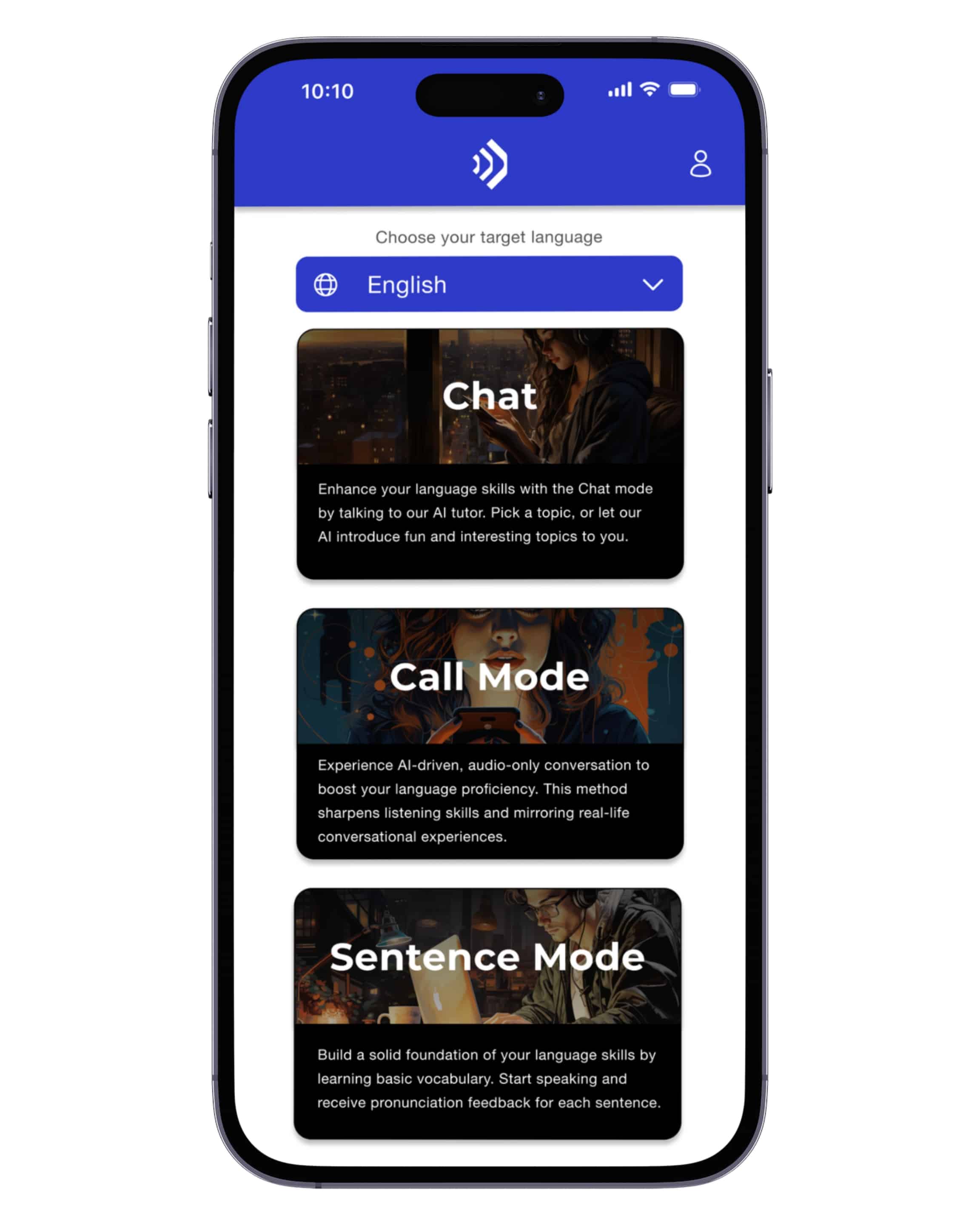
Talkpal is AI-powered language teacher. master 57+ languages efficiently 5x faster with revolutionary technology.
