Pick a language and start learning!




Quantity adjectives Grammar Exercises for Maori Language

Quantity adjectives in the Māori language play a crucial role in expressing amounts, degrees, and quantities. Understanding these adjectives is essential for effective communication, as they help to specify and clarify the number or amount of objects, people, or concepts being discussed. Whether you're talking about a few friends, many books, or an entire village, mastering these adjectives will enhance your fluency and accuracy in Māori. This collection of grammar exercises is designed to help learners identify, use, and differentiate between various quantity adjectives, providing a solid foundation for more advanced language skills.
In Māori, quantity adjectives can be quite distinct from those in English, often requiring a deeper understanding of context and cultural nuances. These exercises will guide you through the different types of quantity adjectives, including both definite and indefinite forms, and how they interact with nouns and verbs in sentences. By practicing these exercises, you will not only improve your grammatical knowledge but also gain a better appreciation for the structure and beauty of the Māori language. Dive in and start enhancing your skills with these carefully crafted activities, and soon you'll be using quantity adjectives with confidence and precision.
Exercise 1
<p>1. He has *many* books on his shelf (a lot of).</p>
<p>2. There are *few* apples left in the basket (not many).</p>
<p>3. She has *several* friends coming over for dinner (more than two, less than many).</p>
<p>4. They bought *some* oranges from the market (an unspecified amount).</p>
<p>5. There is *little* water in the bottle (not much).</p>
<p>6. We need *more* chairs for the event (a greater quantity).</p>
<p>7. They have *enough* food for everyone (sufficient amount).</p>
<p>8. I have *plenty* of time to finish the project (more than enough).</p>
<p>9. There are *numerous* stars visible tonight (a large number).</p>
<p>10. She has *much* experience in teaching (a great amount).</p>
Exercise 2
<p>1. Kei te *rua* ngā āporo i te pākete (number more than one).</p>
<p>2. He *iti* te ngeru i te whare (opposite of big).</p>
<p>3. Kua *tokorua* ngā tāngata i te papa tākaro (number of people).</p>
<p>4. E *toru* ngā pukapuka kei runga i te tēpu (number between two and four).</p>
<p>5. Kei te *nui* ngā kākahu i roto i te kāpata (opposite of small).</p>
<p>6. He *rua* ngā tīhi kei roto i te pouaka makariri (number less than three).</p>
<p>7. He *taimaha* te pouaka nei (opposite of light).</p>
<p>8. E *rima* ngā hipi kei te pāmu (number greater than four).</p>
<p>9. He *iti* ngā rongoā i te kāinga (opposite of many).</p>
<p>10. Kei te *tokotoru* ngā tamariki kei waho e tākaro ana (number of children).</p>
Exercise 3
<p>1. Kei te *rāpeti* anake tāua (animal that hops).</p>
<p>2. He *nui* ngā pukapuka kei runga i te tēpu (opposite of small).</p>
<p>3. He *iti* te whare i te taha o te awa (opposite of big).</p>
<p>4. Tokorua ngā *tamariki* kei te papa tākaro (plural for child).</p>
<p>5. He *rua* ngā āporo kei runga i te tēpu (number after one).</p>
<p>6. E *toru* ngā ngeru kei roto i te whare (number after two).</p>
<p>7. Tokomaha ngā *tāngata* kei roto i te whare karakia (plural for person).</p>
<p>8. He *iti* ngā mōkai kei te pāmu (opposite of large).</p>
<p>9. Kei te hoko ahau i te *pēke* kotahi (container for carrying items).</p>
<p>10. He *rima* ngā ika i te roto (number after four).</p>
Language Learning Made Fast and Easy with AI
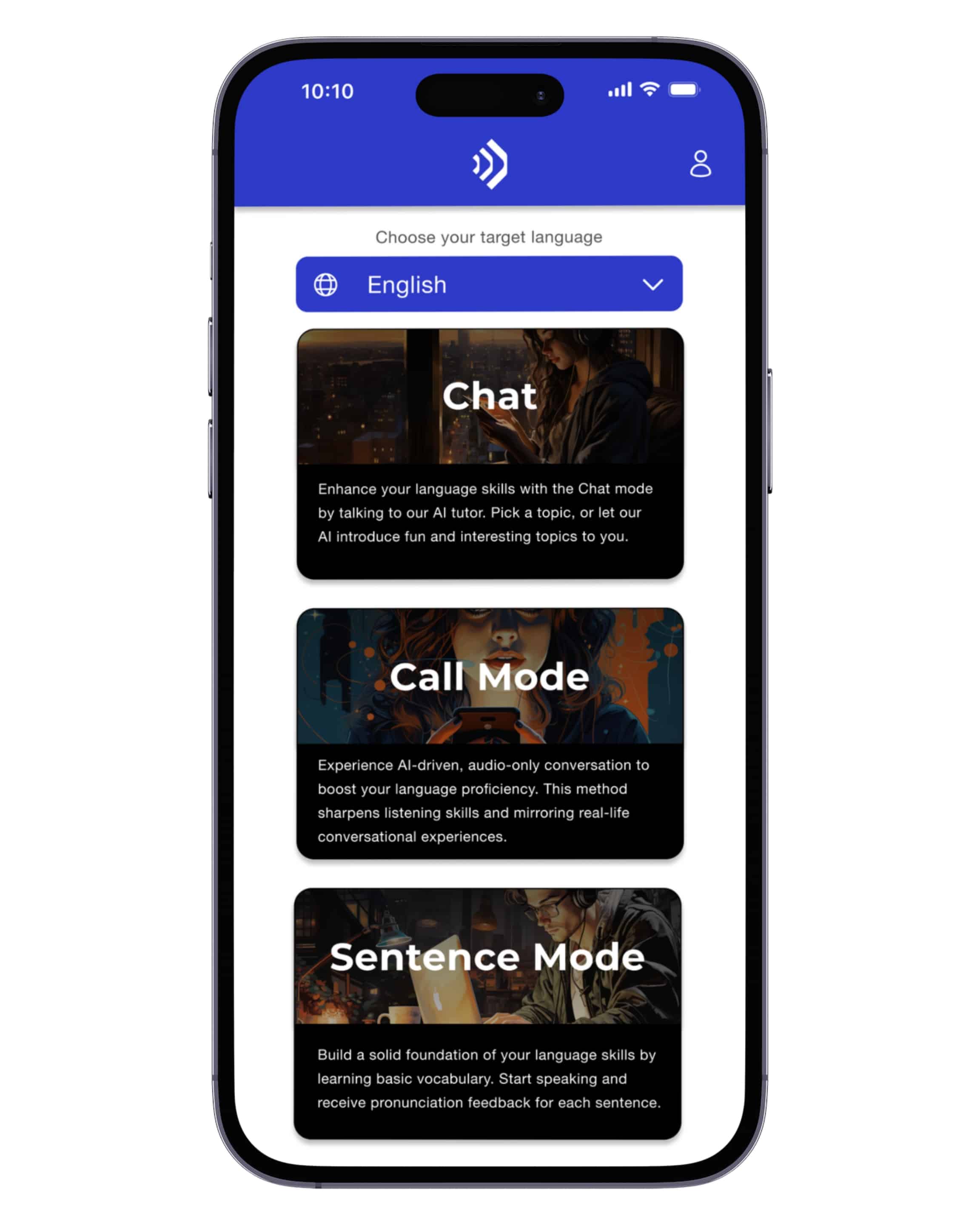
Talkpal is AI-powered language teacher. master 57+ languages efficiently 5x faster with revolutionary technology.
