
Pick a language and start learning!






Agreement with nouns in case Grammar Exercises for Czech Language

Mastering noun case agreement is a pivotal aspect of learning Czech, a language renowned for its rich inflectional morphology. In Czech, nouns change their form based on their role in a sentence, and this change affects not only the nouns themselves but also the adjectives, pronouns, and numerals that modify them. Understanding and correctly applying these forms is essential for effective communication, as it ensures that sentences convey the intended meaning and grammatical relationships clearly. Our exercises will guide you through the intricacies of the seven grammatical cases in Czech – nominative, genitive, dative, accusative, vocative, locative, and instrumental – helping you to recognize and produce the correct forms in various contexts.
To build a solid foundation, you'll practice identifying the correct case endings for singular and plural nouns across different genders: masculine, feminine, and neuter. Each exercise is designed to gradually increase in complexity, reinforcing your ability to discern and apply the rules of noun case agreement. Whether you're a beginner needing to grasp the basics or an advanced learner aiming to refine your skills, these exercises provide comprehensive practice to enhance your grammatical precision. Dive in and start transforming your understanding of Czech noun cases from theoretical knowledge to practical proficiency.
Exercise 1
<p>1. Včera jsem viděl *kočku* v parku (accusative case for "kočka").</p>
<p>2. Jdu do *školy* každý den (genitive case for "škola").</p>
<p>3. Ona koupila dárek pro *bratra* (accusative case for "bratr").</p>
<p>4. V létě pojedeme k *moři* (dative case for "moře").</p>
<p>5. To je kniha o *historii* (locative case for "historie").</p>
<p>6. Viděl jsem krásný *strom* v lese (accusative case for "strom").</p>
<p>7. Dáme si kávu s *mlékem* (instrumental case for "mléko").</p>
<p>8. Chtěla bych mluvit s *učitelem* (instrumental case for "učitel").</p>
<p>9. Na *stole* leží kniha (locative case for "stůl").</p>
<p>10. Můj pes se bojí *bouřky* (genitive case for "bouřka").</p>
Exercise 2
<p>1. Koupil jsem nový *stůl* do obývacího pokoje (noun for furniture).</p>
<p>2. Viděla jsem krásné *květiny* v zahradě (noun for plants).</p>
<p>3. Můj bratr studuje na univerzitě v *Praze* (noun for city).</p>
<p>4. Děti si hrály s *míčem* na hřišti (noun for ball).</p>
<p>5. Na stole ležela kniha o *historii* (noun for past events).</p>
<p>6. Rozhodli jsme se jít na výlet do *lesa* (noun for forest).</p>
<p>7. Ona má ráda čaj s *medem* (noun for sweet substance).</p>
<p>8. Pes ležel na *posteli* (noun for sleeping furniture).</p>
<p>9. Když prší, nosím vždy *deštník* (noun for rain protection).</p>
<p>10. Moje babička pekla koláče s *jablky* (noun for fruit).</p>
Exercise 3
<p>1. Petr si koupil nový *auto* (vehicle, accusative).</p>
<p>2. Marie dala květiny své *matce* (female relative, dative).</p>
<p>3. Na stole leží kniha o *historii* (subject of study, locative).</p>
<p>4. Včera jsme byli v *kině* (place for watching movies, locative).</p>
<p>5. Půjčil jsem si knihu od svého *bratra* (male relative, genitive).</p>
<p>6. V létě pojedeme na dovolenou k *moři* (large body of salt water, dative).</p>
<p>7. Na zahradě jsme našli ztracený *klíč* (object used to open locks, accusative).</p>
<p>8. Po večeři si dali zákusek s *čokoládou* (sweet treat ingredient, instrumental).</p>
<p>9. Martin hledal svoje *boty* (footwear, accusative).</p>
<p>10. Jana mluvila s *kamarádkou* (female friend, instrumental).</p>
Language Learning Made Fast and Easy with AI
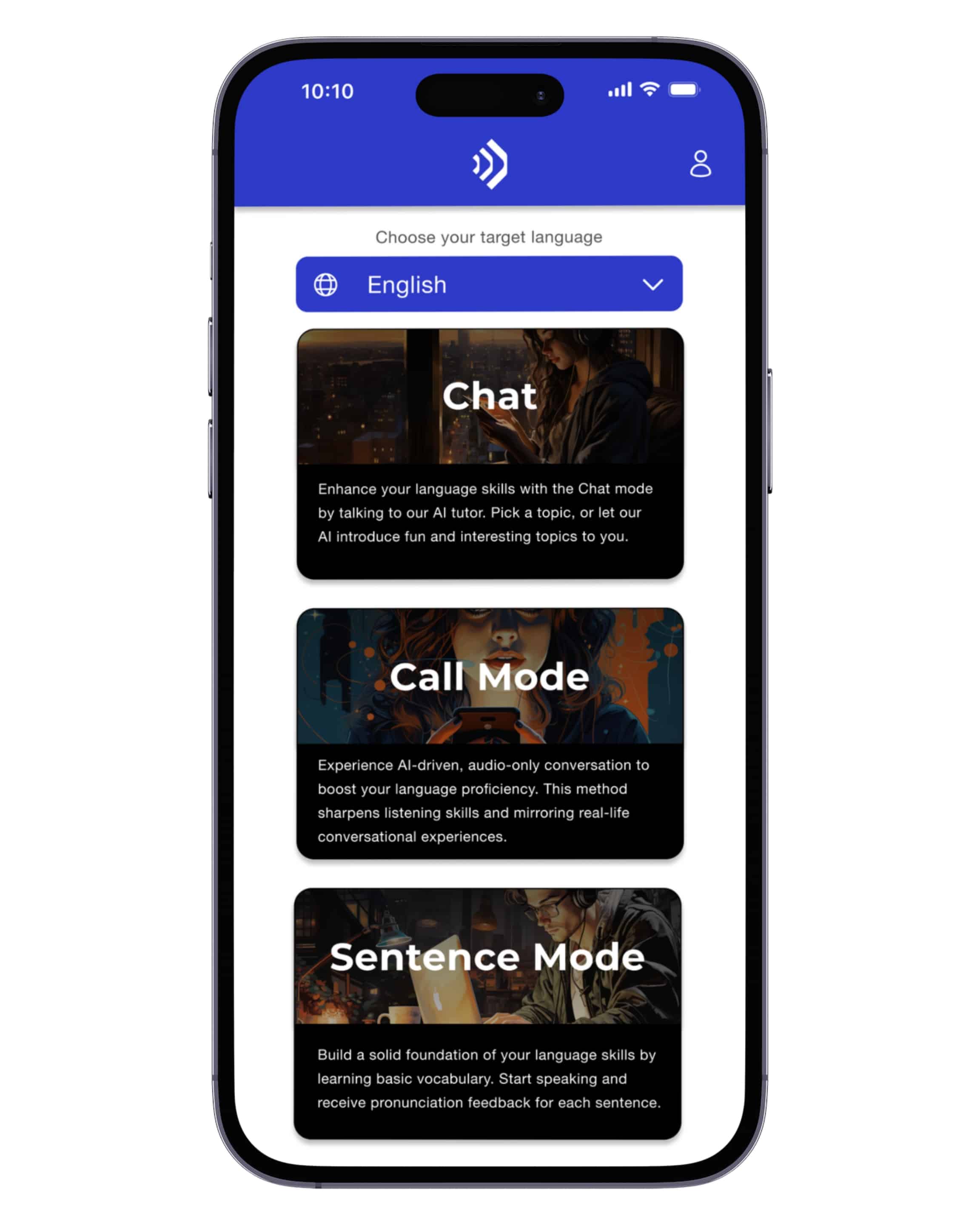
Talkpal is AI-powered language teacher. master 57+ languages efficiently 5x faster with revolutionary technology.
