Pick a language and start learning!






Using modal verbs Grammar Exercises for Dutch Language

Modal verbs are an essential part of mastering the Dutch language, adding nuance and precision to your sentences. These verbs, such as "kunnen" (can), "mogen" (may), "moeten" (must), "willen" (want), and "zullen" (shall/will), help express abilities, permissions, obligations, wishes, and future intentions. Understanding and correctly using modal verbs can significantly enhance your ability to communicate effectively in Dutch, whether you are engaging in everyday conversations, formal interactions, or written communication.
In this section, you will find a variety of grammar exercises designed to strengthen your understanding and usage of Dutch modal verbs. Each exercise is crafted to challenge different aspects of modal verb usage, from basic sentence construction to more complex scenarios. By practicing these exercises, you will not only improve your grammatical accuracy but also gain confidence in using modal verbs contextually. Dive in and start practicing to take your Dutch language skills to the next level!
Exercise 1
<p>1. Ik *moet* mijn huiswerk maken (modal verb for necessity).</p>
<p>2. Jij *mag* vanavond laat opblijven (modal verb for permission).</p>
<p>3. Wij *kunnen* goed schaken (modal verb for ability).</p>
<p>4. Hij *wil* graag een nieuwe fiets kopen (modal verb for desire).</p>
<p>5. Jullie *zullen* op tijd komen (modal verb for future intention).</p>
<p>6. Zij *moeten* vroeg opstaan morgen (modal verb for obligation).</p>
<p>7. Ik *mag* niet in de klas eten (modal verb for permission).</p>
<p>8. Wij *willen* naar het strand gaan (modal verb for desire).</p>
<p>9. Jij *kunt* goed zingen (modal verb for ability).</p>
<p>10. Hij *zal* je morgen helpen (modal verb for future intention).</p>
Exercise 2
<p>1. Hij *moet* zijn huiswerk maken (modal verb for obligation).</p>
<p>2. Kun je me *helpen* met deze taak? (modal verb for ability).</p>
<p>3. Zij *wil* graag naar de bioscoop gaan (modal verb for desire).</p>
<p>4. Wij *zullen* morgen naar het park gaan (modal verb for future intention).</p>
<p>5. Je *moet* die brief vandaag nog versturen (modal verb for necessity).</p>
<p>6. Ik *kan* geen melk drinken (modal verb for capability).</p>
<p>7. Ze *mogen* geen huisdieren in dit appartement houden (modal verb for permission).</p>
<p>8. We *kunnen* samen een project starten (modal verb for possibility).</p>
<p>9. Jullie *zouden* beter vroeg naar bed gaan (modal verb for advice).</p>
<p>10. Hij *wilt* graag een nieuwe auto kopen (modal verb for wish).</p>
Exercise 3
<p>1. Ik *moet* naar de dokter (verb for obligation).</p>
<p>2. Jij *mag* een koekje nemen (verb for permission).</p>
<p>3. Zij *wil* een nieuwe auto kopen (verb for desire).</p>
<p>4. Wij *kunnen* het huis niet vinden (verb for ability).</p>
<p>5. Jullie *zouden* meer water moeten drinken (verb for suggestion).</p>
<p>6. Hij *moet* vroeg opstaan voor werk (verb for necessity).</p>
<p>7. Jij *kunt* goed gitaar spelen (verb for capability).</p>
<p>8. Zij *wil* graag naar het concert gaan (verb for preference).</p>
<p>9. Wij *mogen* vanavond buiten spelen (verb for allowance).</p>
<p>10. Hij *zou* meer moeten studeren (verb for recommendation).</p>
Language Learning Made Fast and Easy with AI
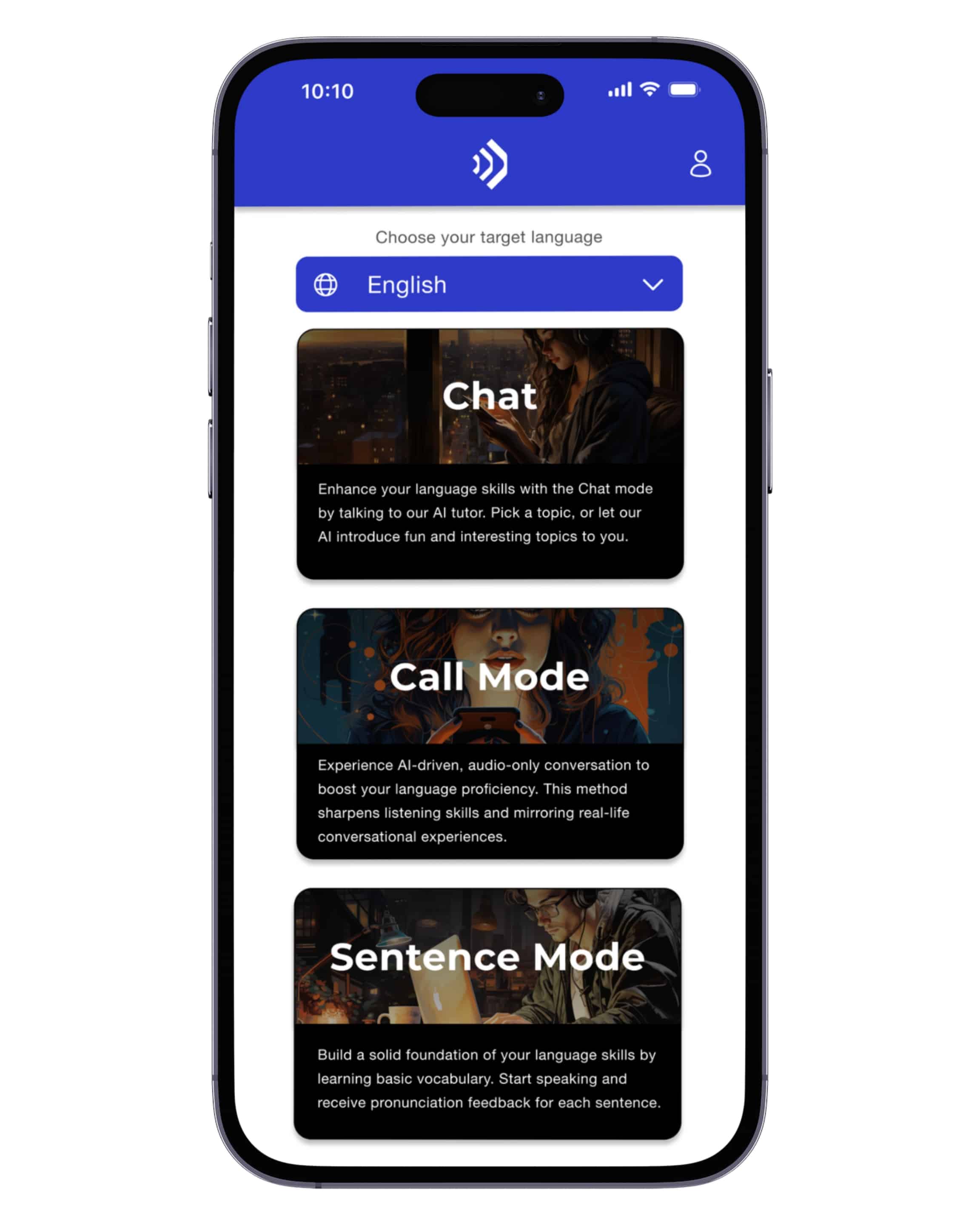
Talkpal is AI-powered language teacher. master 57+ languages efficiently 5x faster with revolutionary technology.
